Extending the Reach of Legacy Lab Technology with Artificial Intelligence
Discover how integrating artificial intelligence can revitalize older biotech equipment, enhancing efficiency and extending its operational life without significant capital outlay. Learn concrete ways AI can improve data acquisition and experimental outcomes in your lab.
Many research labs and production facilities rely on older biotech equipment due to its proven reliability and the high cost of replacement. While these machines may lack modern digital interfaces, their fundamental operational capabilities often remain robust. The challenge lies in integrating them seamlessly into today's data-intensive research environments.
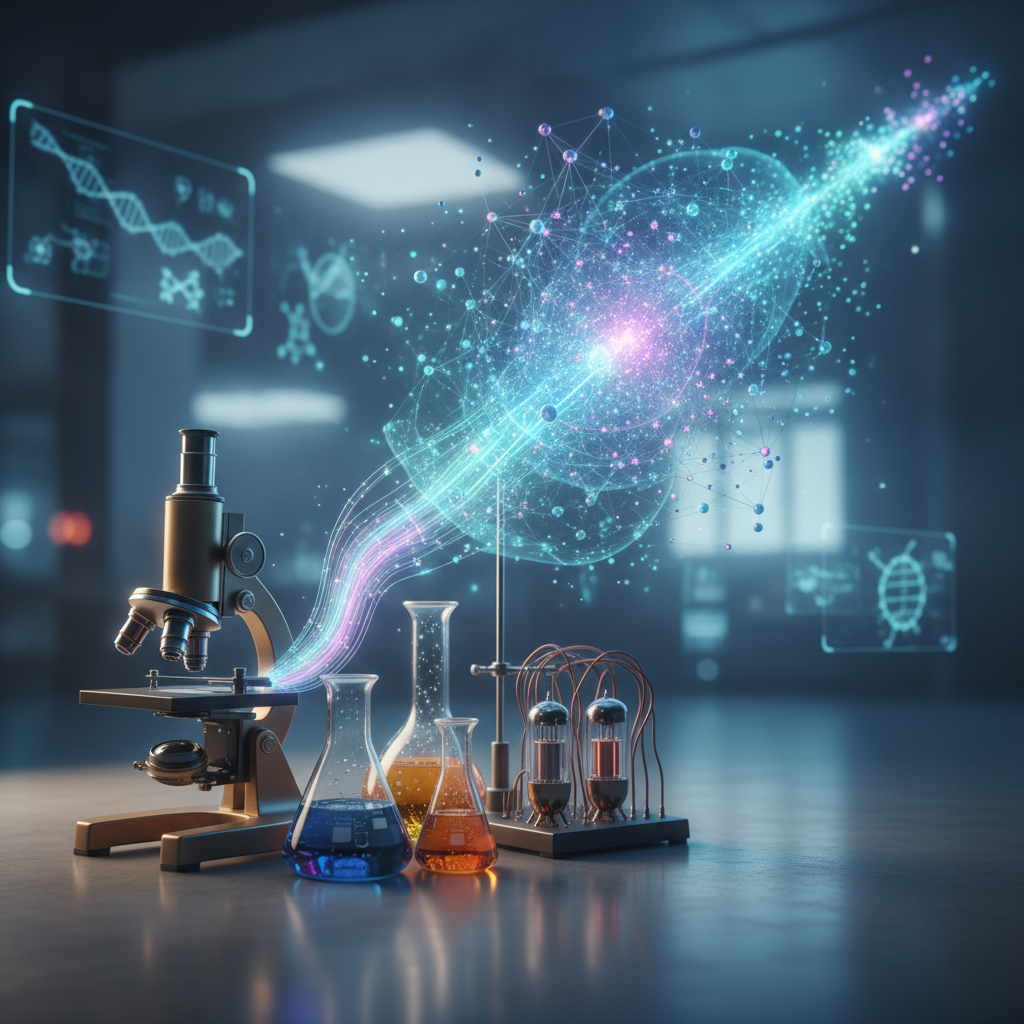
Artificial intelligence offers a practical solution by acting as a sophisticated bridge. Machine learning algorithms can process data streams from older sensors, even those generating analog signals, converting them into digital formats suitable for advanced analysis. This allows legacy instruments to contribute valuable information to complex computational workflows.
This approach extends the useful life of valuable assets, significantly reducing the need for new capital investment in equipment. It also improves data quality by identifying subtle patterns or anomalies that human operators might miss, leading to more precise experimental control and reliable outcomes.
For example, AI models can analyze vibration patterns or temperature fluctuations to predict when a specific component in an old chromatograph might fail, scheduling maintenance proactively. Similarly, AI can optimize the timing and dosage settings for a bioreactor based on real-time sensor feedback, leading to higher yields or purity in biomanufacturing.
Implementing such systems requires careful planning, including developing custom interfaces or data parsers for different equipment types. Standardizing data formats across a diverse range of instruments can be an initial hurdle, but once established, it greatly streamlines subsequent analyses and integration.
For lab managers and principal investigators, this means re-evaluating budgets to prioritize AI integration projects over immediate, often costly, equipment replacement. For biotech and biopharma C-suite leaders, it presents an opportunity to achieve significant operational efficiencies and accelerate research translation with existing resources.
By intelligently leveraging artificial intelligence with existing infrastructure, organizations can foster a more adaptive and resilient research ecosystem. This strategy supports continued innovation and commercialization without being solely dependent on the latest, and often most expensive, technological advancements.