

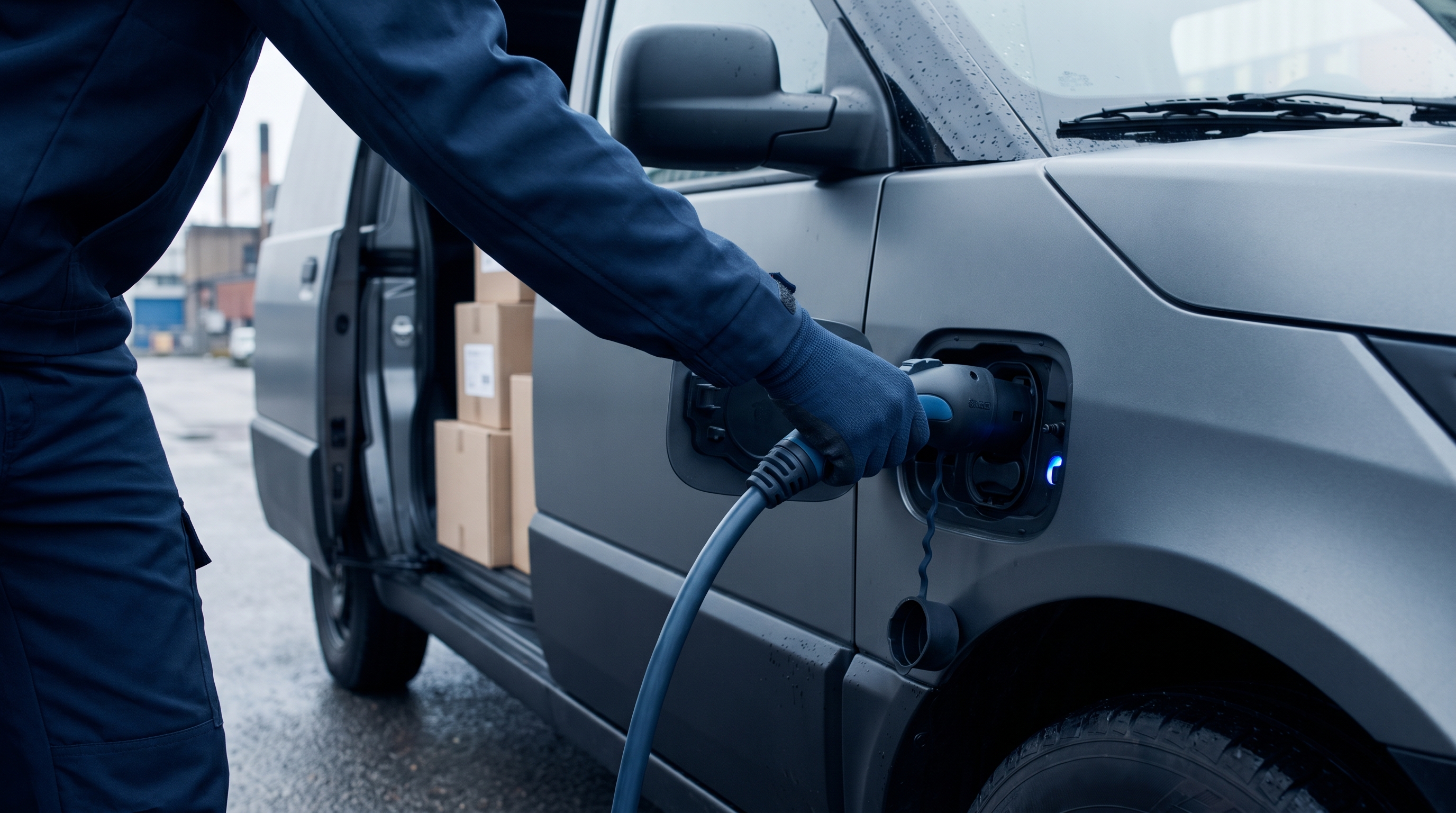
Electric Vehicles Reshape Last-Mile Delivery
Learn how electric vehicles are reshaping urban logistics, offering solutions to environmental challenges and operational costs in the booming e-commerce sector, while also examining the hurdles to widespread adoption.

The rapid growth of e-commerce has put immense pressure on last-mile delivery, the final leg of a product's journey to the consumer. This crucial stage, often navigating congested urban environments, is both the most costly and the most carbon-intensive part of the supply chain. Integrating electric vehicles into these logistics networks presents a compelling path forward for logistics companies.
At the core of the shift is the electric powertrain, which replaces internal combustion engines with electric motors and battery packs. This fundamental change eliminates tailpipe emissions, contributing directly to improved urban air quality. The reduction in noise pollution is another significant benefit, allowing for quieter deliveries in residential areas, especially during off-peak hours.
Beyond environmental advantages, electric vehicles offer distinct operational efficiencies. Their simpler mechanical design, with fewer moving parts than traditional vehicles, generally translates to lower maintenance requirements and reduced downtime. Fuel costs also shift from volatile gasoline or diesel prices to potentially more stable and lower-cost electricity, providing a predictable expenditure for fleet managers.
For logistics companies, these factors contribute to a favorable total cost of ownership over a vehicle's lifespan, even with a typically higher initial purchase price. The long-term economic argument for electrification becomes stronger as energy prices fluctuate and demand for sustainable practices grows. Careful financial modeling is essential for evaluating this transition.
However, the widespread adoption of electric delivery fleets is not without its challenges. Battery capacity dictates vehicle range, a critical factor for routes that may extend beyond current typical urban limits. Charging infrastructure also presents a significant hurdle, requiring robust and accessible charging stations capable of replenishing multiple vehicles efficiently.
Grid capacity and the timing of charging cycles are further considerations, as large fleets require substantial power draws. The performance of batteries can also be impacted by extreme temperatures, with both very cold and very hot conditions potentially reducing range and charging efficiency. These are all active areas of scientific and engineering development.
Ongoing advancements in battery chemistry, such as higher energy density and faster charging rates, are continuously improving electric vehicle capabilities. Simultaneously, the development of smart charging networks and vehicle-to-grid technologies aims to optimize power consumption and minimize strain on electrical grids. The science of thermal management for batteries also plays a key role in ensuring their longevity and consistent performance.
Logistics companies are increasingly relying on advanced fleet management software to integrate these vehicles effectively. These systems leverage data to optimize delivery routes, monitor battery status in real time, and schedule charging to maximize efficiency and minimize operational interruptions. Such technological solutions are vital for managing the complexities of an electric fleet.
Ultimately, the future of last-mile delivery is inextricably linked to the continued evolution and integration of electric vehicles. While challenges remain, the scientific and technological progress in battery technology, charging infrastructure, and fleet management tools positions EVs as an indispensable component of sustainable and efficient urban logistics.