Building Connections for Solo Innovators in an AI World
Solo entrepreneurs, especially women in science, can discover how community models can help them thrive amidst the rapid advancements and potential overwhelm of artificial intelligence.

The rise of artificial intelligence presents a powerful paradox for solo entrepreneurs, especially those in scientific fields across North America. While AI offers unprecedented tools for innovation and efficiency, it also intensifies the challenge of working independently, often leading to isolation and a feeling of being overwhelmed. For female scientist entrepreneurs, navigating this rapidly evolving landscape alone can be particularly daunting.
Keeping pace with AI's advancements requires continuous learning, from understanding new large language models to integrating sophisticated automation tools into their ventures. This constant demand for knowledge acquisition, combined with the pressure of product development and market entry, can easily lead solo founders down endless loops of research without the benefit of peer input or shared problem-solving. It's a race against an invisible clock, where the individual bears the full weight of staying current.
Female scientists launching their own ventures often face pre-existing hurdles like access to funding, mentorship, and robust professional networks. When the added complexity of AI development and adoption enters the picture, these challenges can become amplified. Without a supportive community, solo female founders might struggle to find relevant collaborators or gain visibility, hindering their ability to leverage AI's potential effectively.
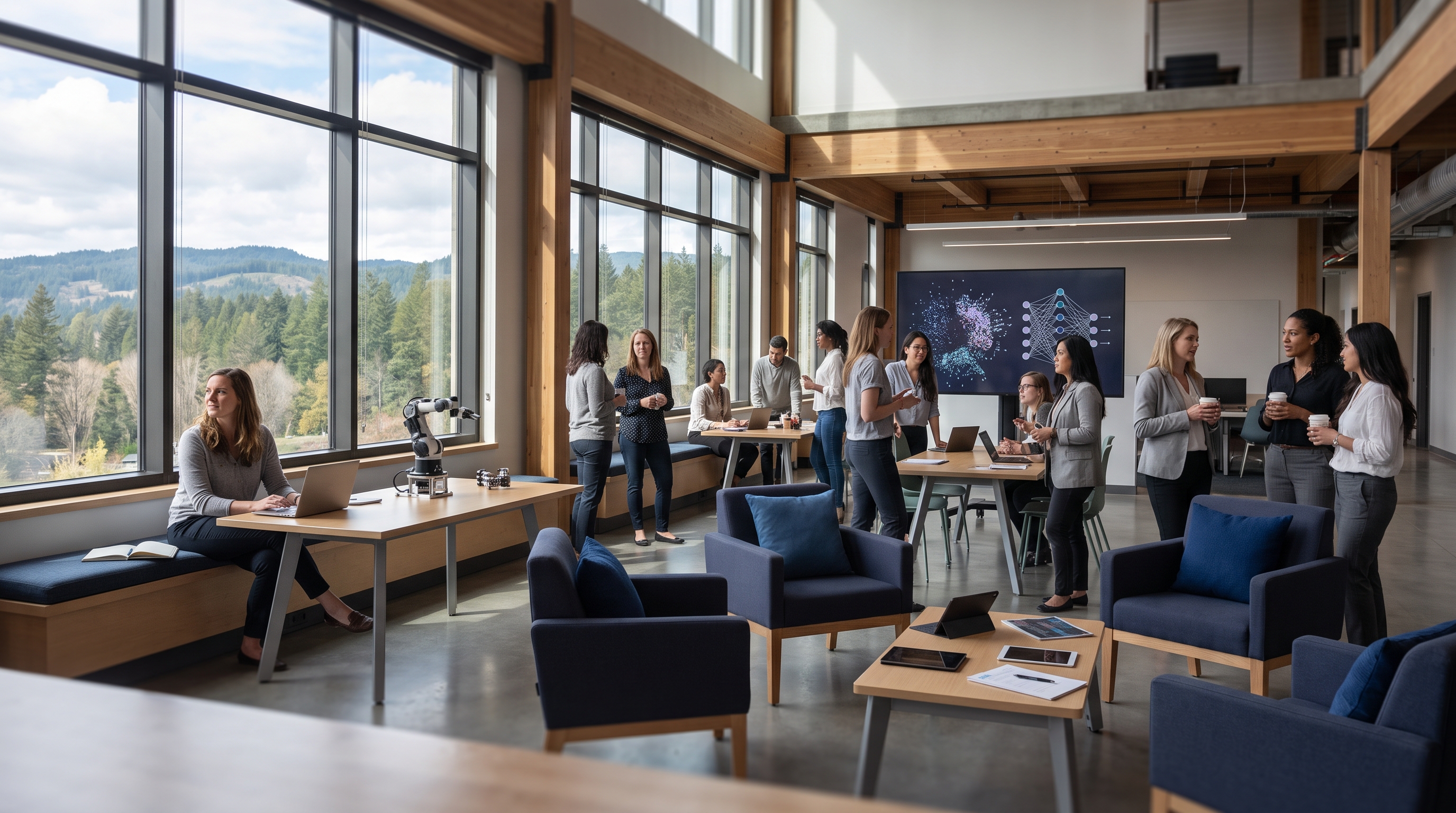
Creating purposeful communities offers a tangible solution to this isolation and overwhelm. These are not merely networking events, but structured environments where solo founders can share insights, troubleshoot technical issues, and collaboratively explore AI's ethical implications and commercial applications. Such groups provide a critical safety net and a springboard for collective intelligence, turning individual struggles into shared learning opportunities.
Effective community models can take many forms, from curated online platforms to sector-specific co-working hubs or accelerator programs focused on AI integration. In regions like the thriving tech corridors of Ontario or the biotech clusters of Massachusetts, these communities can facilitate direct knowledge exchange and resource sharing. For instance, a group might collectively evaluate AI-powered research tools or discuss best practices for data privacy in a new application.
These local or thematic communities foster an environment where experience and expertise flow freely, reducing the burden on any single individual to master every facet of AI. They can help identify emerging market needs, validate innovative ideas, and even lead to collaborative projects that would be too ambitious for one person. Such collaboration can significantly accelerate the commercialization pathway for scientific discoveries.
Ultimately, building robust communities for solo entrepreneurs in the AI age is about more than just professional development; it's about fostering resilience and well-being. By providing spaces for connection, support, and shared growth, we can empower these innovators to harness AI's power without succumbing to its pressures, ensuring their groundbreaking work reaches its full potential.